Wednesday, November 11, 2009
European Tour - Part 2

Tuesday, November 10, 2009
The European tour

Saturday, November 7, 2009
The teenage client and conflict - Part 2
In working with teenagers on comes across the Rebellious Child transaction.

Not uncommonly the teenager will make a RC transaction to the parents and is in one way looking for a Parent ego state response. Some parents do respond from the CP and get locked into this type of battle with the teenager. It is not uncommon for parents to bring their teenager to counselling with this type of transaction occurring. This type of transaction between parent and teenager can go on for long periods of time
However, how the parent actually responds is a matter of choice and they have a whole variety of possible responses. They can respond with:
Critical Parent (CP-)
Controlling Parent (CP+)
Nurturing Parent
Adult
Conforming Child
Rebellious Child
Free Child
At this juncture I will only discuss the Critical Parent ego state (CP-) response and not go into the pros and cons of the six other types of transactions, their possible uses and so forth.

If the parent-teenager dyad gets locked into Rebellious Child - Critical Parent repetitive transacting then one is confronted with a relationship that has conflict as its basis. As a therapist it is germane to keep in mind some of the features of relationships that are based on conflict. More precisely what are some of the psychological features of conflict. What I am describing here refers mainly to interpersonal conflict between two or three people. However as social psychology shows us there are many similar features in conflicts between groups of people (ie nations).
Features of conflict
Conflict and escalation - It is easier to escalate that de-escalate conflict. One can use the metaphor of a canyon. It is easier to climb down into the conflict canyon than it is to climb out of it. Some of the reasons for this are listed below.

Zero sum thinking - One side’s gain is the other side’s loss. These people have a belief in a win-loss outcome to conflict. When this happens the parents and teenager can forget to look for win-win solutions and usually both sides end up loosing in the end. Also with zero sum thinking both sides will tend to automatically see the other sides motive as aggressive. This can involve projection. If the teenager is thinking of beating his parents then he will tend to automatically assume they are thinking the same way.
Quick fix solution - As conflict progresses and escalates both sides will tend to focus on a single solution to the problem. A parent may say, “If he would just speak to me nicely then things would be much better”. Or the teenager may think, “If they let me stay out with my friends it would be better”. Both parties start to think in terms of a simplistic solution and it often becomes the battleground. The teenager and the parent argue about him staying out with his friends.
From a therapy point of view one can easily draw the transactions for the parents and teenager showing the relationship dynamics behind the conflict. Hopefully they will take some of it in.

Partisan perceptions - In conflict both sides are often ego centric in their perceptions. They view their behaviour as more benevolent and legitimate. Each side often assumes that the other sees its behaviour in the same favourable light.
Mirror image - this results from “worst case scenario” thinking which can result in a self fulfilling prophecy. If I think of the worst case scenario that can lead me to expect that the other side will act unfavourably and seek the worst outcome for me.
Group think - Parents can support each others thinking about the conflict and play the game of ‘Ain’t they awful’. The parents can express similar thoughts and feelings about the teenager which lead them to believe that their views and actions are right because some one else agrees with them. (ie the ‘group’ thinks similar things). Of course teenagers also do this when they get together and tell each other how awful parents are.
Conflict spirals - Each side sees the other as having ‘started it’ and they are merely reacting to the aggression of the other. This can also be used to justify escalating the aggression of the response as one sees self as the innocent victimised party.

Punishment and suppression - In conflict there can be the belief that if you punish the other side for its aggression this will then suppress future aggressive behaviour by the other side. This rarely happens as the other side is usually thinking the same thing.
Entrapment - Further involvement in the conflict is justified on the basis of past investment and loss. The teenager may think, “I have stood up to my parent for 2 days, so I can’t stop now or it would have all been for nothing”.
As one looks at these aspects of conflict one is drawn to notice the whole ego centricity of it all. What you would expect of a couple of 6 year olds in a play ground having a fight. There is very little interest or investment in seeing it from the others point of view and having the belief that I may be wrong in part. Our nations leaders are a prime example.
From a counselling point of view this is a key factor in the resolution of conflict between two people, in this instance the parent and the teenager. We all have a 6 year old Child ego state in us so we will all think and behave in the ways I have just described. We all have an eye for an eye thinking in us:
“You hurt me, so I hurt you back” (Child ego state)
If this can be changed to
“You hurt me, so how did I contribute to you wanting to do that” (Parent and Adult ego state)
Obviously much easier said than done but if achieved the conflict will be brief and tend to not escalate.
Most teenagers will do Rebellious Child transacting around parents and authority figures like teachers and therapists. This is inevitable and psychologically a good thing. In working with them in therapy if one can communicate some of these features of conflict that can then assist to reduce the intensity and duration of the conflict. Thus raising the awareness of the various aspects of thinking in a conflictual relationship.
Graffiti
Labels: conflict, Critical parent, teenager, transactional analysis
Thursday, November 5, 2009
The therapeutic relationship with the teenage client
Sometimes when you run a workshop you end up leaving with more questions than answers. This happened to me recently at a workshop on “Counselling with teenagers” in Belgrade. Here is a picture of me with the group.

Sometimes I get a question or group discussion where I don’t have a response and it sparks some more thinking and research on the topic for me.
At one point in this workshop I was asked about my approach to the counselling of teenagers and did I come from a parent position. That is do I see my self in a parent type role with the teenager. This did not mean necessarily in a Critical Parent type of role but overall do I feel like a parent type person when working with the teenager.
As I thought about the answer I found this question perplexed me. I obviously had not thought about the topic in detail before. My initial response to the question was yes and no. Which obviously is not a clear answer because I did not have a clear answer. As I thought about it at the time the ‘yes & no’ answer was right for me but I did not answer the question to my satisfaction (or the participants I would imagine).

How do I relate to the younger client?
As the discussion continued someone then said that as I did not see myself in a clear parent position then did I relate to the teenagers in a sort of peer role. Like a friend to the teenager. My answer to this was with a more definite, “No”.
Then it was stated that if I did not come from a parent type role or a friend type role what was my role? My answer to this was, I don’t know.
Travelling to Serbia and Croatia from Australia means I am on the road for about 24 hours (well more in the air than the road). I find this very useful time in that I can do precisely what I did in this instance. On the trip back I basically sought to answer the question that was asked and could not answer for the group.
The time allowed me to make many notes and formulate my thinking on the question of the therapeutic relationship with the teenage client. I now have a much fuller answer to the question should I ever be asked it again.

I understand now why I was perplexed with the question and did not have a clear answer. After much deliberation on the subject my answer involves articulating a complex set of relationships which I will do in the near future.
It seems I got something out of the workshop as well!
Graffiti
Labels: children, counselling, parent ego state, therapy, transactional analysis
Tuesday, October 20, 2009
Small talk therapy
Whilst I am engaging in small talk with a client, there is a lot of ‘other’ talk going on inside my head. In this way it is quite different when I do small talk in a normal social situation where there is not the same cognitive calculations going on inside my head.

Upon reflection, I think I use small talk therapy in a variety of ways. As OLJ says sometimes the small talk can lead to ‘hard’ talk. I would say that at times I am doing the same in small talk. It buys me time where I can assess the client’s current mood and allows me time to plan a strategy to follow for that session. As they talk I am constantly looking for a therapeutic angle where I can make a small switch of direction or make a connection they may not be aware of to their life script. Once done then the small talk becomes hard talk and sometimes clients will say things like, “How did we end up here”, or “I didn’t expect to be doing this today”.
It is also a good opportunity to give positive strokes to the client which builds the relational and then that can always lead into work on the client’s stroke filter. It is also a time where I might slip in some self disclosure which again helps build the relational with the client.
As I think about it, it is also a good way to take a psychological history from the client and do cross checking at the same time. I have always said that there are certain similarities between a therapist interview of a client and the police interview of a suspect. They seek some of the same goals but for different motives.

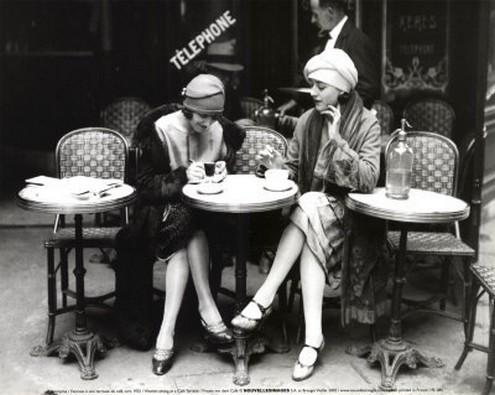
Positive strokes? These three women seem to have
a distinct dislike for each other
I worry myself at times how I never believe anything anyone tells me anymore, at least with client’s that is. Now don’t take that the wrong way. I am not saying that client’s are a group of pathological liars, but having been in the therapy business for 30 years I know how well people lie to themselves regularly. If they are lying to self about some thing and I ask a question then they are going to lie to me about it. In addition, at times I am asking people very personal questions and they may choose not to be fully candid in their answer with me at that juncture. There is nothing wrong with that and if I was in their shoes I would probably do the same.
In police interviews they can ask suspects the same question three times in three different ways. When doing small talk at times I am doing the same. Not to catch them out but to be able to identify incongruencies and bring them to the client’s attention.
Therapist: Did you go out on the weekend?
Client: Yes we went to a restaurant called ‘x’.
T: I know that one, they have great fish there
C: Oh do they, for my meal I had.....
I am now going to get all sorts of information about this persons eating. In my initial history taking with the client I may have asked about their diet and eating. I am just about to find out how consistent or inconsistent that information was. The client may be quite skinny and report eating a high fat meal or they may be over weight and report ordering just a salad. This is the other kind of information I may pick up.

Therapist: Were you there with family?
Client: Yes, my mother and sister......
I am now going to get all sorts of information about the client’s family dynamics and will be able to compare it with previous information the client has given me. I am also going to get lots of information about their social life which is important in any mental status examination.
I definitely use small talk for such psychological history taking and to cross check information.
Sometimes I just forget stuff about the client and small talk allows me to remember it without the client realising I had forgotten. I am sitting looking at a client and I can’t remember if her mother is dead or alive, if she has a father or brothers and sisters so I might say, “Have you caught up with any family lately?”. As I get a little bit of information a whole heap of information can comes rushing back as I recall it. Its like I just need that little prompt and then I remember lots of stuff about the client. So in this sense small talk therapy is like me reading my notes on the client that I should have done more diligently before they arrived
Well there you have it! I just discovered that I know all this stuff that I never knew I knew. Thanks OLJ.
Graffiti
Labels: counselling, human communication, small talk, therapy
Monday, October 19, 2009
Elective mutism and the non-talker
I like this guy. He has virtually no sense of self worth. I mean unusually so and self deprecating to the same degree as well. Presentation is depression and some history of suicidal ideation.
His natural temperament response to stress is flight - as in fight, flight or freeze. He has a GAF response to a degree that I have not seen before. GAF comes from the life positions and stands for “Get away from”. It means that he will have a tendency to get away from others in his life script and thus he is likely to end up alone or with very few social contacts.

In this instance there is actually no problem with this. He enjoys his own company and can spend long periods of time by himself in the country, which he does. That is not the problem. The problem is that he does not tell anyone anything about what he is thinking and feeling. He never has for as long as he can remember. When ever he has a distressing thought or feeling he withdraws and says nothing to anyone. The technical diagnosis for this is elective mutism.
This worked fine at first except that humans cannot keep doing that for too long and eventually they collapse in on self. They will start to either hit the alcohol, drugs, prescription medication, get depressed, develop anxiety and so forth. The Child ego state simply needs the human contact and communication when it is distressed about something. If it does not get it over an extended period of time it has a ‘nervous breakdown’ as they used to call it.

Human communication. Some try to live without
it for long periods but it never works in the long run
The problem for him (and thus me) is that it is completely and absolutely antithetical for him to talk to anyone about his inner thoughts and feelings. But he comes to see me for precisely that goal, to talk about his inner world and hence he ends up as a non-talker (sort of).
The first sessions were difficult because he said so little and there were often prolonged silences. I thought that he would simply decide that it was all too much and I would not see him again. However at the end of each appointment he has initiated the request for another appointment and there has been another change in the last few sessions.
For the first 45 minutes he is his usual muted self. Then as I am thinking of winding things up (a little early) he starts to talk and even initiate conversation. In the last few sessions he has even gone over time (and I have allowed it). I don’t think it is a game about getting more time but he is starting to not want the conversation to stop. And indeed that is what we are doing. We have done very little therapy in the usual sense of the word. We basically just have a conversation. Mostly about him and his life but we are by no means doing the usual therapy things like setting contracts and so forth.

Some seem to feel like they just don’t fit
in with the rest of the human race
Graffiti
Labels: depression, group therapy, human communication, mute, social isolation
Thursday, October 15, 2009
Is suicide an angry act? (editted)
There is a view that the more a person has difficulty expressing aggression or anger then the likelihood of suicide increases as the anger gets turned in on self. In support of this such research is quoted
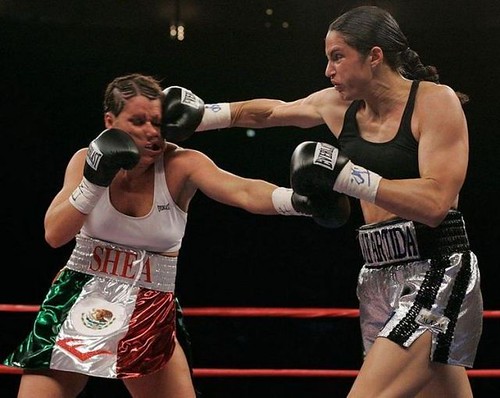
Horesh et al (1997)
“Anger correlated significantly with suicide risk. Higher anger contributed synergistically to the suicide risk.”
DiGiuseppe et al(2007)
“Increasing evidence indicates that aggressive behaviour may be related to suicidal ideation and attempts. Many adolescents report intense anger immediately prior to their suicidal gestures. In one study, a third of adolescents who completed suicide displayed anger as their predominant mood just prior to their deaths.”
“Prior to suicide attempts adolescents may engage in intense verbal attacks or display physical aggression towards objects or people”
DiGiuseppe et al(2007) also conclude that anger inward turned has a higher correlation to hopelessness in suicidal adolescents than anger outward turned. However the outward turned is also correlated as well.
One firstly needs to identify the possibilities with anger
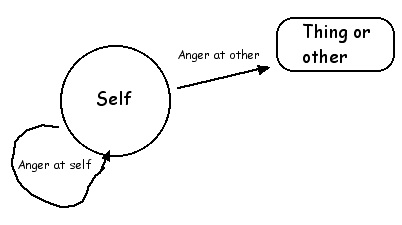
It seems reasonable to concur with the research. If a person has made the suicidal decision (“Don’t exist”) and they have high levels anger then they could be assessed as being at a higher risk of making some suicide action.
This would seem to be particularly so if the anger tends to be inward turned rather than expressed outwards as is shown in the diagram but I would also concur with the last conclusion of the research that there is also a correlation with outward turned anger as well.
When one sees a client who has inward turned anger one of the treatment directions is to get them to identify a thing or person to whom they could also direct some of the anger. The anger starts to be directed at something outside the person and thus one would assume that less of it is directed at the individual them self. This is a typical scenario in the treatment of depressed people.

However whilst the correlation was higher with inward directed anger there still was a correlation with outward directed anger. Getting the anger outward directed is better but still not the full solution. Why would this be so?
I have said before that psychologically there is some similarity between the murderer and the suicidal as well as some psychological similarity between the self harming person and the person who harms others. Some seem to find this hard to understand and take it as me saying that self harmers are in some way bad people for this. I am not saying such a thing and I have sought to find a metaphor that may make it clearer. I am not too sure if I have achieved this but I will give it a go anyway.
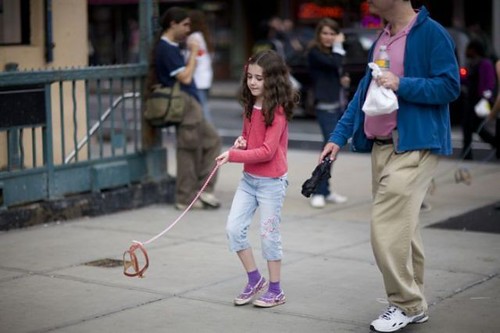
If I capable of speaking german then I can insult and verbally abuse others in that language. Or I can choose to insult and verbally abuse myself in german. If I have no mastery of the german language I do not have the choice. I cannot verbally abuse others in german and I can not insult myself in german. The self harmer and the “others” harmer both have mastery of the same language. They have both decided that physical assault is a viable solution to a problem. The person who does not harm self or others does not speak the language so they are far less likely to do either.
Thus we get back to the diagram and the research. Anger directed at self could obviously be correlated to suicidal behaviour. However anger directed out at others could also be correlated (but less so) because they are still speaking the same language than the person who does not have such anger in the first place.
In the treatment of such a kind of depression, one would first want the inward turned anger to start being directed at an outward thing or person. Once done then one would be wanting the person to drop the anger and thus they start to loose mastery of that language entirely.
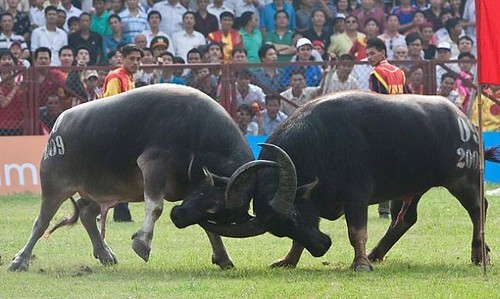
Whilst on the topic of anger and suicide one can make further assessment of suicide risk by enquiring about how a person would plan to kill self. The method chosen could be reflective of the degree of anger involved. The more destructive the method may indicate a higher degree of anger involved.
The less violent methods would be things like poisoning self, gassing self or perhaps drowning and even cutting self in a effective manner (ie not hacking away at self). The more violent methods would include shooting self in the head, throwing self under a train or jumping from a high building. However it seems that the penultimate expression of violence in the act of suicide would be self immolation. Without a doubt a very violent means of suicide and reflective of substantial angry feelings.
Thus it seems productive for a therapist to enquire about the method of suicide considered and if violent then one knows to further look into the level of anger felt by the client and how they deal with such feelings.
One also needs to consider temper tantrum type of anger. If one sees a young child have a temper tantrum one would notice how they lash out in an indiscriminate way. Temper tantrum anger is completely directionless anger. The child is enraged and expresses that rage by lashing out at anyone including itself.
What is meant to happen in normal child development is slowly the child learns about its anger and learns to recognise the stimuli for the anger and then its anger expression is focussed at the identified cause. Some however never master this psychological task of child development and thus you get some adults who have the temper tantrum type expression of anger where its expression is indiscriminate. Hence you can have some suicidal type of behaviours when the tantrum anger gets directed at self.
In my view this can explain the situation where a 19 year old man goes into a school, starts shooting at people indiscriminately and eventually suicides at the end of it all. A temper tantrum type expression of anger.
If a client presents as having made a suicide attempt that seems to be anger related it would be instructive to question as to the context of that attempt. Namely, around the time of the attempt did the client display other indiscriminate anger expression. If he did then one may be dealing with an individual who has a temper tantrum type of anger expression and the suicidal behaviour is a consequence of that.
I am reminded of one person who almost completed a suicide in these circumstances. When I was working in a prison there was one inmate who had a phone call with his girlfriend where she dumped him and told him the relationship was finished. His response to this in the space of about 30 seconds was to smash the phone, slit his throat with a razor blade which he obviously had on him at the time and throw himself head first off a 4 meter high landing onto a concrete floor. The medical reports showed that he very nearly died, but he did survive. Indeed after that the other inmates referred to him as “Black magic” because he was black and it was magic that he did not die.
One could say that this suicide attempt was an angry act, but technically this is not correct. I got to know this man very well as that was my job in the prison, to identify and manage suicidal and self harming inmates. This man had not made the suicidal decision in childhood, he did not have a Don’t exist injunction.
What had happened was he was abandoned by his girlfriend to which he responded with rage. He then displayed that rage in a temper tantrum type of way. He damaged property (the phone) and then attacked himself (fortunately there was no one standing nearby or they may have been attacked as well).
His goal was not to kill himself, so technically it was not a suicide attempt, he was simply enraged and he expressed that anger in a temper tantrum where at one point he attacked him self. In such instances one gets the unplanned and spontaneous type of suicide attempts and thus many of them are not completed. In this case his anger was very reactive anger.
One can have other temper tantrum type of anger that is not reactive anger but is based on character anger. Thus an event does not happen that sparks the tantrum like anger but the person has character anger deep inside that pervades over time. In these circumstances one can get well planned suicidal and murderous acts. An example of this could be Martin Bryant.
He was an Australian in his early 20s. At one point he took a number of guns and considerable ammunition to a home where he shot dead two people he knew. After that he left and went to a popular tourist resort and randomly shot dead another 33 people. Any person, man woman or child who got in his sights he shot dead. At the sentencing the judge stated in part:
“The prisoner, having had a murderous plan in contemplation and active
preparation for some time, deliberately killed two persons against whom he held a
grudge, and then embarked on a trail of devastation which took the lives of a
further 33 other human beings who were total strangers to him and which caused
serious injury, distress and grief to literally thousands more. The repercussions
of these crimes have been world-wide. His selection of victims was
indiscriminate. He killed and injured men, women and even children”. (end quote)
After he killed the people at the tourist resort he left and went to a house where he set him self on fire in an attempt to kill himself. He survived the attempt and remains alive today.
Thus we have temper tantrum type behaviour. The indiscriminate killing of others and eventually the attempt to kill self. We have an instance of firstly controlled and thought out anger directed at a distinct target and then indiscriminate directionless anger expression.

Even in murder children will display a child like quality.
As another example
The Boomtown Rats were at a US radio station for an interview when the story
of Brenda Spencer came over the news wire. A 16 year old California high
school student made headlines when she grabbed her father's gun and opened fire
on her school from a house across the street, injuring eight students and killing
the school's principal and custodian. When later asked why she'd gone on the
shooting spree, she responded "I don't like Mondays."
I Don't Like Mondays
by the Boomtown Rats
“The silicon chip inside her head
Gets switched to overload.
And nobody's gonna go to school today,
She's going to make them stay at home.
And daddy doesn't understand it,
He always said she was as good as gold.
And he can see no reason
'Cause there are no reasons
What reason do you need to be shown?
Tell me why?
I don't like Mondays”.
Hence we have apparently unexplainable behaviour which mystifies many. The temper tantrum explanation may give some insight into why such things do occur.
Graffiti
Labels: anger, self harm, suicide, teenage suicide, temper tantrum
Popular Posts
-
Kahless makes a good point with her comment As for switching addictions, how can you switch a food addiction when you still have to partake ...
-
Habit is all about the relationship between repetition and automaticity. If a person starts a new behaviour and repeats it every day how lon...
-
Approximately 30% of people who complete a suicide leave a note of some kind. They can provide valuable insight into the psychology of the p...
-
Working with drug and alcohol users, my new book should be out in a few months. Here is a video where I provide a brief monologue about the ...
-
One of the eight reasons why some people self harm is because of a self hatred or as a form of self punishment. As a result of childhood exp...
-
Roses says in a comment on the last post “Why then, is it that we need so badly to be locked in to a script?” Our current leader of the ...
-
I like it when an idea comes together. This post has its roots in two separate writings that are far apart but that I did just happen to rea...
-
I have noticed in recent years that the way I work with children in therapy on an individual (ie not group therapy) basis has changed quite ...
-
Graffiti writing A-Z black and white. Tagging letters cool, with a slight bubble effect look nicer. Examples of graffiti writing letters A-Z...
Archives
Labels
- 2011 Graffiti Alphabet (1)
- 3 Graffiti Letters ABC (1)
- 3 New Style Graffiti (1)
- 33rd Graffiti Shop (1)
- 3D Graffiti (12)
- 3D Graffiti Alphabet (3)
- 3D Graffiti Art (2)
- 3d graffiti creator (1)
- 3D Graffiti Letter (1)
- 3D Illusion Graffiti (2)
- 3D street art graffiti (2)
- 5 Graffiti Creator (1)
- A-Z Alphabet (1)
- A-Z Alphabet Street (1)
- AA (1)
- abandonment (3)
- ABC Graffiti (4)
- ABC Graffiti Alphabet (1)
- ABC Graffiti Letters (2)
- ABC Latters (1)
- Abecedario de Grafiti (1)
- Abecedario Espanol Ingles (1)
- Abecedario Gotico (1)
- Abecedarios 3D (1)
- Abecedarios 3D Graffitis (1)
- Abstract Graffiti (2)
- Abstract graffiti art (1)
- Abstract graffiti design (1)
- abuse (1)
- acting out (1)
- adapted child ego state (2)
- adolescence (3)
- adolescent (1)
- Adult ego state (12)
- aggression (1)
- Airbrush Graffiti (1)
- alcohol (1)
- Alfabet Graffiti (1)
- ALFABETO ABECEDÁRIO (1)
- Alfabeto De Graffiti (1)
- Alfabeto de Letras de Graffiti (1)
- Alfabeto Graffiti (2)
- Alfabetos Cairo (1)
- Alphabet (1)
- Alphabet Gothic (1)
- Alphabet Graffiti (4)
- Alphabet Graffiti On Boxcar (1)
- Alphabet in Bubble Graffiti Letters (2)
- Alphabet in Bubble Letters (1)
- Alphabet Letters Black White (1)
- Amazing Graffiti (1)
- amy winehouse (1)
- anger (13)
- anorexia (4)
- anorexic (1)
- Anti Graffiti Coatings (1)
- antiscript (1)
- anxiety (6)
- ART OF Graffiti (1)
- assault (1)
- attachment (5)
- AZ Graffiti (1)
- B in Graffiti Letters (1)
- Banksy Graffiti (6)
- Banksy Graffiti Art Flower (1)
- Banksy Graffiti Change (1)
- Banksy Graffiti Images (1)
- Be Perfect (1)
- ben cousins (2)
- Bereavement neurosis (1)
- bioenergetics (1)
- bitch (1)
- Blackbook Graffiti (1)
- Blue Graffiti Alphabets (1)
- blushing (1)
- Body script (1)
- Boingo Graffiti (1)
- bubble alphabet (1)
- Bubble Graffiti (1)
- Bubble graffiti alphabet (1)
- Bubble Letters Graffiti (1)
- Bubble Style Graffiti (1)
- Bubble Writing Alphabet A-Z (1)
- bulimia (3)
- bully (2)
- cannabis (3)
- car accident (1)
- Car Graffiti (1)
- Carl Rogers (3)
- Cartoon graffiti canvas (1)
- Cartoon Letters (1)
- Castle Graffiti (1)
- change (1)
- character (1)
- Chicago Gang Graffiti (1)
- child (1)
- child development (20)
- child ego state (30)
- childhood (2)
- Childhood fantasy (6)
- children (6)
- Christmas Card Design (1)
- cigarettes (1)
- clients and trust (3)
- Co Counselling (1)
- conflict (1)
- conforming child (2)
- contextual diagnosis (1)
- contract (3)
- contracts therapy (1)
- Cool Alphabet (1)
- Cool Blue Graffiti Alphabet (1)
- Cool Graffiti Fonts (2)
- Cool graffiti letters (2)
- Cool Graffiti Style (6)
- Cool Letter Designs (1)
- copy cat suicide (5)
- counseling (1)
- counselling (37)
- couples counselling (4)
- Create graffiti (1)
- Create Graffiti Alphabet (1)
- Creative Graffiti (1)
- Critical parent (2)
- Cursive Alphabet (1)
- cutters (1)
- cutting (1)
- cyber bully (1)
- Daim Graffiti (2)
- daydream (3)
- death (2)
- death ritual (1)
- decision (1)
- defence mechanism (2)
- delusion (1)
- Dependent personality (1)
- depersonalization (2)
- depression (5)
- derealization (1)
- Desensitization (1)
- despair (1)
- diagnosis (1)
- Different Types Of Alphabet Letters (2)
- discipline (2)
- disjointed (1)
- dissociation (3)
- Dragon God Graffiti (1)
- Dragon Graffiti (1)
- Draw Graffiti (3)
- Draw Graffiti Alphabet (2)
- Draw Graffiti On Paper (1)
- Drawing Graffiti Sketch (1)
- drug addict (8)
- drug counselling (7)
- Drug use (15)
- drugs (2)
- early decision (3)
- eating (3)
- ego state (6)
- ego states (22)
- emeshed (2)
- emeshment (1)
- Emotional literacy (1)
- emotions (2)
- empathy (1)
- Encropesis (1)
- engulfment (1)
- envy (1)
- Epic Graffiti (1)
- epiphany (1)
- erectile dysfunction (1)
- EROS AND THANATOS (1)
- Erotic transference (3)
- eyes (1)
- Family (1)
- family system (1)
- Fancy Letters (1)
- feelings (5)
- fight (1)
- flight (1)
- Font Graffiti 2012 (2)
- Fonts Fancy (1)
- forgiveness (1)
- free child (18)
- Free Graffiti Fonts (1)
- Freehand Graffiti (1)
- friendship (1)
- Fuentes de la pintada (1)
- funeral (1)
- Funny Graffiti (3)
- Gambling addiction (1)
- games (1)
- Gang Graffiti (4)
- gender (1)
- genius and creativity (1)
- Ghttp://www.blogger.com/img/blank.gifraffiti Style (1)
- goodbye work (1)
- gossip (1)
- Gothic graffiti letters (2)
- Graffihttp://www.blogger.com/img/blank.gifti style alphabets (1)
- graffit alphabet (1)
- Graffithttp://www.blogger.com/img/blank.gifi alphabet letters (1)
- Graffiti (2)
- Graffiti 2012 (1)
- Graffiti ABC (2)
- graffiti airbrush (1)
- Graffiti airplane (1)
- Graffiti Alfabeto (9)
- Graffiti alphabet (63)
- Graffiti Alphabet 5 Colors (1)
- Graffiti Alphabet A to Z (3)
- graffiti alphabet a-z (10)
- graffiti alphabet B (4)
- Graffiti Alphabet Book (1)
- Graffiti Alphabet Bubble (2)
- Graffiti Alphabet Coloring (1)
- graffiti alphabet fonts (2)
- Graffiti Alphabet Gradient (1)
- Graffiti Alphabet J (1)
- Graffiti alphabet K (1)
- Graffiti Alphabet L (1)
- Graffiti Alphabet L and M (1)
- Graffiti Alphabet Lettering (1)
- Graffiti Alphabet Letters (97)
- Graffiti Alphabet Letters A (1)
- Graffiti Alphabet Letters A Through Z (2)
- graffiti alphabet letters A-Z (1)
- Graffiti Alphabet Milk (1)
- Graffiti Alphabet Paper (1)
- Graffiti Alphabet Printables (1)
- graffiti alphabet printouts (3)
- Graffiti Alphabet Sets (1)
- Graffiti Alphabet T-Shirts (1)
- Graffiti Alphabet Taggings (1)
- Graffiti Alphabet WOLER (1)
- Graffiti Alphabets (22)
- Graffiti Alphabets On Hand (1)
- Graffiti Alphabets Pink (1)
- Graffiti and Experimental (1)
- Graffiti Archaeology (1)
- Graffiti Arrows (1)
- Graffiti Art (23)
- Graffiti Art Alphabet (1)
- Graffiti Art Creator (1)
- Graffiti Art Mural (2)
- Graffiti art murals flower (1)
- Graffiti Art Not Colored (1)
- Graffiti Art Wall (3)
- Graffiti artist (1)
- Graffiti Backgrounds (1)
- graffiti bhttp://www.blogger.com/img/blank.giflack and white (1)
- Graffiti Billboards (1)
- graffiti black and white (1)
- Graffiti Blackbook (8)
- Graffiti Blackbook Sketches (1)
- Graffiti Blitz (1)
- Graffiti Bock (1)
- Graffiti bubble (5)
- Graffiti Bubble Letters (2)
- graffiti calligraphy (1)
- Graffiti Cans (3)
- Graffiti Canvas (5)
- Graffiti canvases (1)
- Graffiti Cartoon Characters (5)
- Graffiti cartoons (1)
- Graffiti Characters (12)
- Graffiti Christmas (1)
- Graffiti Controversy (1)
- graffiti cool (5)
- Graffiti Cool Names (1)
- Graffiti Cope (1)
- Graffiti creator (8)
- Graffiti Creator Murals (1)
- Graffiti Designs Pictures (1)
- Graffiti Desktop Wallpaper. Graffiti Wallpaper (1)
- graffiti digital (1)
- Graffiti Drawing Tips (1)
- Graffiti Drawings on Paper (2)
- Graffiti Drum (1)
- Graffiti Elite (1)
- Graffiti faces (1)
- Graffiti Fire (1)
- Graffiti Flashing (1)
- Graffiti Flowers (1)
- Graffiti Font (1)
- Graffiti Fonts (41)
- Graffiti Fonts A (1)
- Graffiti Fonts Alphabet (1)
- Graffiti Fonts Curly (1)
- Graffiti Fonts Political Graft (1)
- Graffiti Fonts Writers (1)
- Graffiti freight trains (3)
- Graffiti Funny (1)
- Graffiti Generator (1)
- Graffiti Generators (1)
- GRAFFITI Graphics (7)
- Graffiti Halloween (2)
- Graffiti Handstyles (1)
- Graffiti Handwriting (1)
- Graffiti Happy B'Day (1)
- graffiti hip hop (1)
- graffiti in the hat (2)
- Graffiti Is Art (1)
- Graffiti Juan Benet (1)
- Graffiti Leters (1)
- graffiti letter (1)
- Graffiti Letter A (2)
- Graffiti Letter B (3)
- Graffiti Letter J (1)
- Graffiti Letter K (1)
- Graffiti Letter P (1)
- Graffiti Letter Styles (1)
- Graffiti Letters (13)
- Graffiti Letters ABC (1)
- Graffiti Letters Blue (1)
- Graffiti Letters Boingo (1)
- Graffiti Letters Bukue (1)
- Graffiti Letters K (1)
- Graffiti Letters Milk (1)
- Graffiti letters Z (1)
- Graffiti Letters Zeck (1)
- Graffiti logo creator (1)
- Graffiti logo HRC (1)
- Graffiti Logos (2)
- Graffiti Lorgo (1)
- Graffiti Love (3)
- Graffiti Mural (1)
- Graffiti Murals (7)
- Graffiti Muras (1)
- Graffiti Name (1)
- Graffiti Name Maker (1)
- graffiti names (5)
- Graffiti Names A-Z (1)
- Graffiti NY (1)
- Graffiti Ohio (1)
- Graffiti on Glass (1)
- Graffiti On http://www.blogger.com/img/blank.gifPaper (1)
- Graffiti On Paper (5)
- Graffiti on the beach (1)
- graffiti on trains (3)
- Graffiti Photography (1)
- graffiti photoshop (1)
- Graffiti Pictures (1)
- Graffiti Piece (1)
- Graffiti Printable (1)
- Graffiti Quake (1)
- Graffiti Removal (1)
- Graffiti San Francisco (1)
- Graffiti Skateboard (1)
- Graffiti Sketch (15)
- Graffiti Sketch 3D (1)
- Graffiti Sketch P (1)
- Graffiti Sketch Pen (1)
- Graffiti Sketchbook (1)
- Graffiti sketches (50)
- Graffiti Sketching (1)
- Graffiti Skull (3)
- Graffiti Slank (1)
- Graffiti Spray Cans (1)
- Graffiti Stack (2)
- Graffiti Stencils (2)
- Graffiti Stickers (2)
- Graffiti Street Art (70)
- Graffiti Style (6)
- Graffiti Style Black And White (1)
- Graffiti T-shirts (2)
- graffiti tag (2)
- Graffiti Tag Name (1)
- Graffiti Tag Styles (4)
- Graffiti Tagging Alphabet (2)
- Graffiti Tags (3)
- Graffiti Tags Alphabet (1)
- Graffiti Text (1)
- Graffiti Text Generator (1)
- Graffiti Theme Music (1)
- Graffiti Tips (1)
- Graffiti Train (3)
- Graffiti Train WOLER (1)
- Graffiti Trains (13)
- Graffiti Trains Kaser (1)
- Graffiti tribal (1)
- Graffiti Truly Design (1)
- graffiti tutorial (1)
- Graffiti Wall (3)
- Graffiti Wildstyle (2)
- Graffiti Writers (1)
- Graffiti Writing (2)
- Graffiti Writing A-Z (1)
- Graffiti Yamaha R1 (1)
- Graffti Illusion (11)
- Grahttp://www.blogger.com/img/blank.gifffiti Street Art (1)
- Graphic Graffiti (1)
- grief (1)
- group therapy (6)
- guilt (1)
- habit (2)
- happy (1)
- here and now (1)
- here and now. life script (5)
- heroin (2)
- homeless (1)
- homosexuality (1)
- Honda Graffiti (1)
- How to Create graffiti (2)
- How to Draw a Graffiti K (1)
- How To Draw Graffiti (4)
- How to Draw the Graffiti Alphabet Letters (1)
- how to make graffiti (1)
- How to Tag Graffiti Alphabet Letters (1)
- How to Write Bubble Letters (1)
- How To Write Graffiti (2)
- How to write my name in graffiti (1)
- human communication (2)
- human development (1)
- hurried child (1)
- hypnosis (1)
- Hypnotic suggestion (4)
- hysteric (1)
- idealization (1)
- illusion graffiti alphabet (1)
- Illusionist Graffiti Alphabet (1)
- im OK (1)
- Imagination and two chair (1)
- impasse (1)
- indecision (1)
- independence (1)
- individualism (1)
- Individuation (2)
- insomnia (1)
- introjection (2)
- Japanese Graffiti (1)
- Jealousy (1)
- Korean Alphabet Graffiti (1)
- Latin Kings Graffiti (2)
- Latina Graffiti (1)
- Learn Graffiti (1)
- Letra De Graffiti (1)
- Letra de graffiti alfabeto (1)
- Letter B (1)
- Letter Fonts (1)
- Lettering Fonts (1)
- Lettering Styles (1)
- Letters (1)
- Letters L (1)
- libido (1)
- life position (1)
- Life positions (1)
- life script (9)
- Light Graffiti (1)
- lilith (1)
- loss (1)
- loss of control (1)
- love (3)
- Love and marriage (1)
- Madness (1)
- magical thinking (1)
- Make your own graffiti (1)
- making graffiti (2)
- Male mid life crisis (1)
- marijuana (3)
- Marriage (2)
- masturbation (1)
- mental health (1)
- Mexico Graffiti (1)
- mid life crisis (2)
- modeling (1)
- Mona Lisa graffiti (1)
- MR Wiggles Graffiti Alphabet (1)
- munchausen syndrome (1)
- Murales del Creador (1)
- murder (1)
- mute (1)
- My Name in Graffiti (1)
- narcissism (1)
- Negative transference (2)
- Negative transference and real feelings (1)
- neglect (1)
- neurosis (1)
- New graffiti (3)
- New Graffiti Alphabet (2)
- No Graffiti Logo (1)
- obsessive compulsive (2)
- OCD (1)
- Old Lettering A-Z (1)
- oral stage (1)
- over protection (1)
- Palestinian graffiti alphabet (1)
- panic (2)
- panic attack (2)
- paranoid (1)
- parent contract (2)
- parent ego state (8)
- parenting (5)
- peace (1)
- perfectionism (1)
- personality (1)
- personality types (4)
- Personality types and disorders (1)
- phallus (1)
- Piaget (1)
- Pink Graffiti (1)
- Pink graffiti alphabet Z (1)
- play therapy (1)
- Political Graffiti (1)
- pornography (1)
- positive transference (1)
- power (1)
- pre-verbal (1)
- Printable Alphabet (1)
- Printable Graffiti Alphabet (1)
- Printablehttp://www.blogger.com/img/blank.gif Letters Car (1)
- procrastination (2)
- Projection (4)
- Promiscuity (1)
- promise (1)
- psychoanatomy (1)
- Psychological polarities (1)
- psychology (4)
- psychology of revenge (1)
- psychosis (1)
- psychosomatic (1)
- psychotherapy (3)
- ptsd (1)
- racket (1)
- rebellious child (1)
- rebirth (1)
- Red graffiti alphabet (1)
- Red Graffiti Sketches (1)
- redecision (1)
- regression (4)
- relational (1)
- relationships (6)
- repetition compulsion (1)
- Resilience (1)
- Romanian Graffiti (1)
- Russian Alphabet (1)
- Russian Alphabet Letters (1)
- scare (1)
- schizoid (1)
- script currency (1)
- self esteem (1)
- Self grooming (1)
- self harm (8)
- self hatred (1)
- separation from parents (3)
- serbian (1)
- serial monogamy (1)
- sexual dysfunction (1)
- Sexual repression (2)
- shame (4)
- Skam graffiti (1)
- Sketch graffiti (1)
- Sketching Alphabet (1)
- Skype counselling (1)
- sleep walking (1)
- sleep. love (1)
- small talk (1)
- smoking (1)
- social isolation (1)
- social phobia (1)
- socialization (1)
- soothing (1)
- Stencils Letters (1)
- Street art artists (1)
- stress (1)
- strokes (1)
- style graffiti (2)
- Sublime logo graffiti (1)
- suggestible (1)
- suicide (17)
- suicide pact (3)
- suicide risk (4)
- Surfboard designs graffiti (3)
- Surfboard Designs Graffiti (1)
- Tag Graffiti Alphabet (4)
- Tag Graffiti Fonts (1)
- Tagging Letters (1)
- Tagging Letters A Z (1)
- Tagging Letters A-Z (1)
- Tags Graffiti Art (1)
- teenage suicide (3)
- teenager (6)
- temper tantrum (3)
- The best graffiti (1)
- The Letter L in Graffiti (1)
- The Seventh Letter (1)
- therapeutic communication (1)
- Therapists (1)
- therapy (22)
- thinking (1)
- Tiger (1)
- Tips and Advice on How To Make Graffiti (1)
- Tips and Warnings How Tag Graffiti (1)
- toilet training (1)
- torture (1)
- transactional analysis (14)
- Transactional Analysis sentence completion test (3)
- transference (4)
- Transference cure and introjection (1)
- trauma debriefing (2)
- treatment plan (1)
- Tribal Font Alphabets (1)
- Tutorial Graffiti (1)
- Two ego state model Parent (1)
- unconscious (1)
- Unique graffiti (1)
- Uppercase and lowercase letters (1)
- urban graffiti (1)
- vaginismus (1)
- victim (2)
- Wall Murals (1)
- war (1)
- Wildstyle Graffiti (1)
- Wildstyle graffiti alphabet (1)
- Wildstyle graffiti letters (1)
- World Cup 2010 (1)
- Write Graffiti Blackbook (1)
- Write My Name In Graffiti (20)
- writing (1)
- Writing Graffiti (1)
- Z Graffiti Pink (1)